Audecy Electronics Manufacturing

Quality Assurance

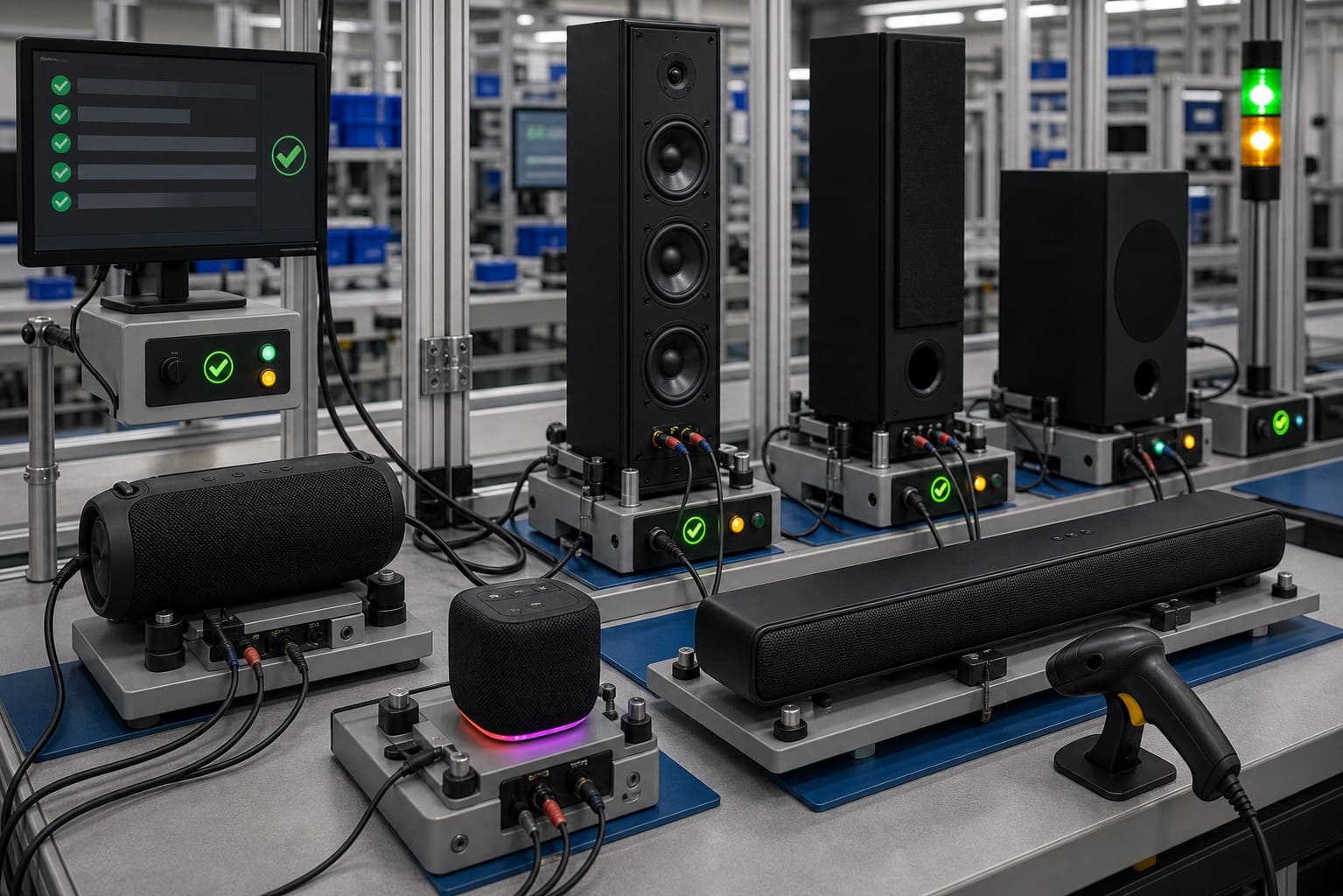
Quality Check of Materials and Products

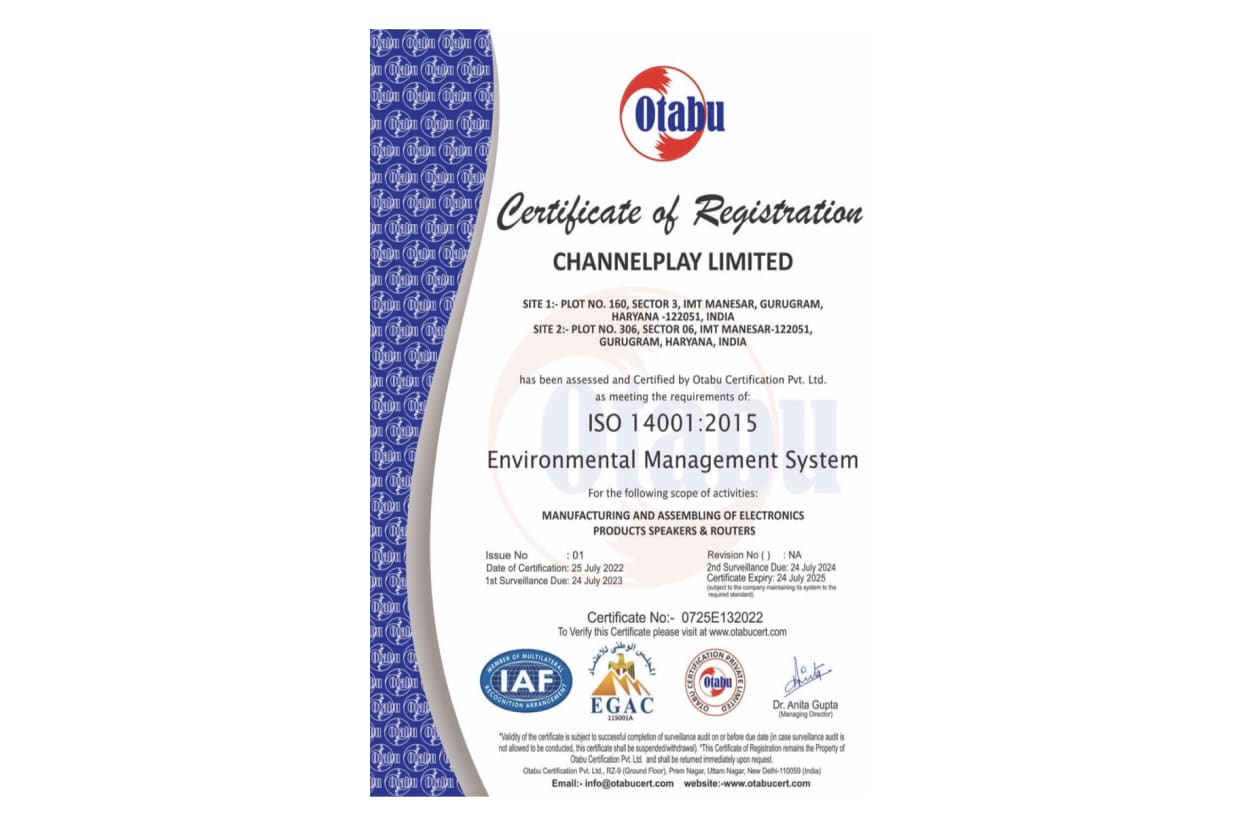
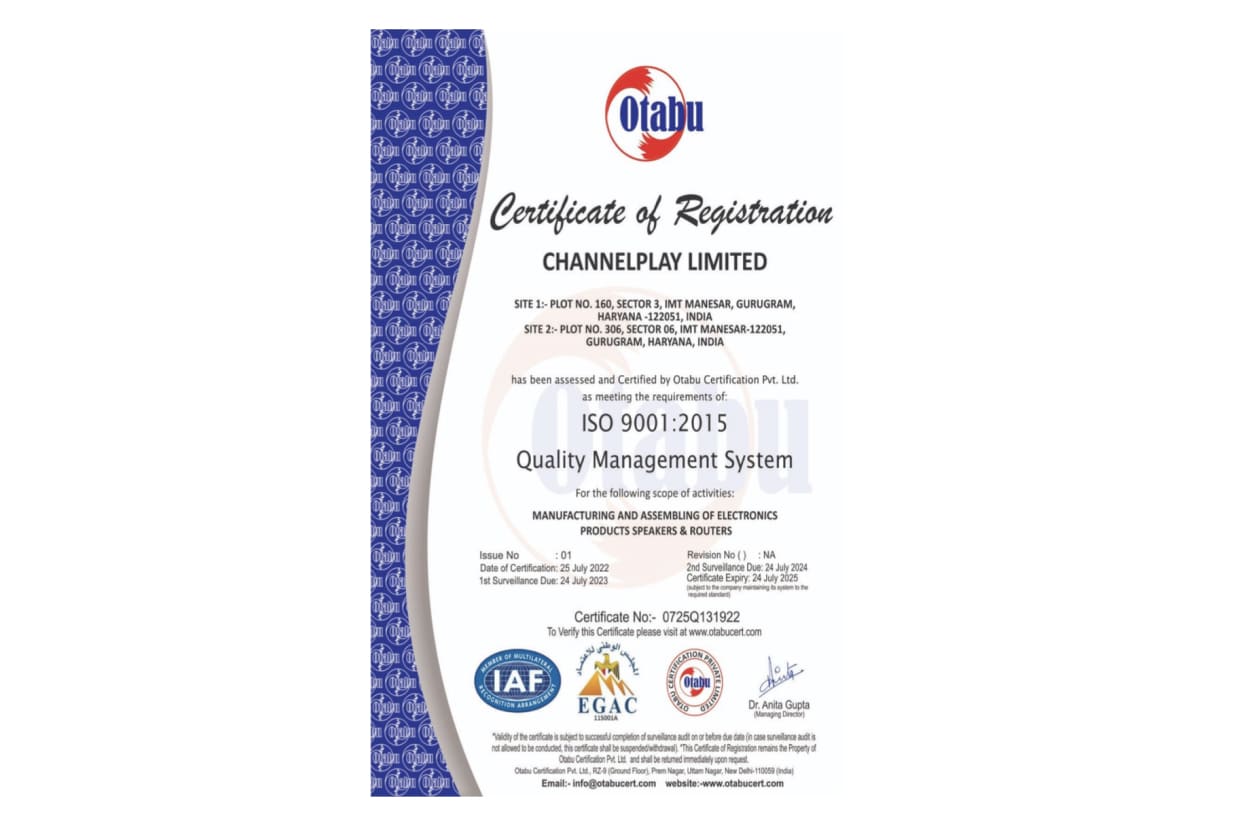
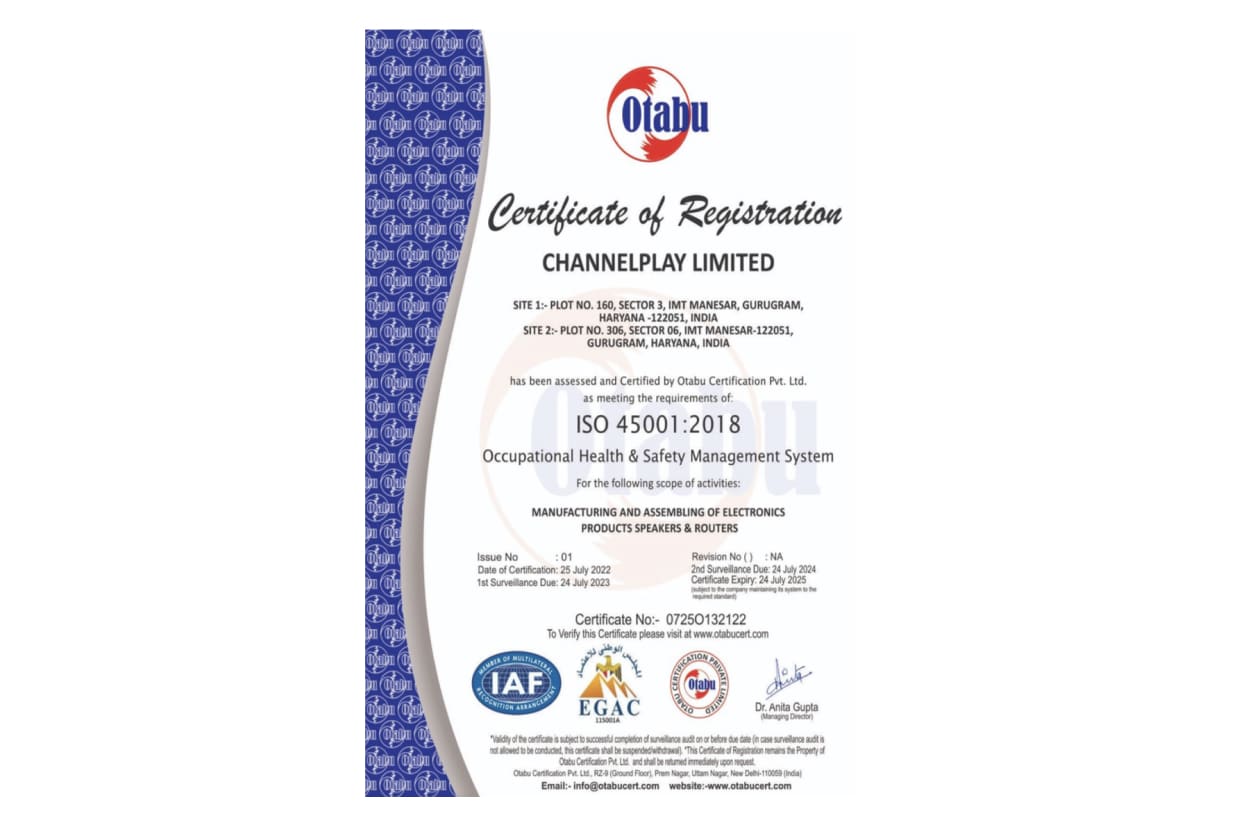
Audecy's quality assurance process is built around prevention, containment, documentation, and continuous correction. Materials, subassemblies, work-in-progress units, finished products, packaging, and release records are checked through defined stages so issues can be identified early and corrected before products reach customers. ISO-certified systems and Sedex certification add structure to the way quality, safety, environmental, and responsible-business practices are reviewed.

Incoming Stage

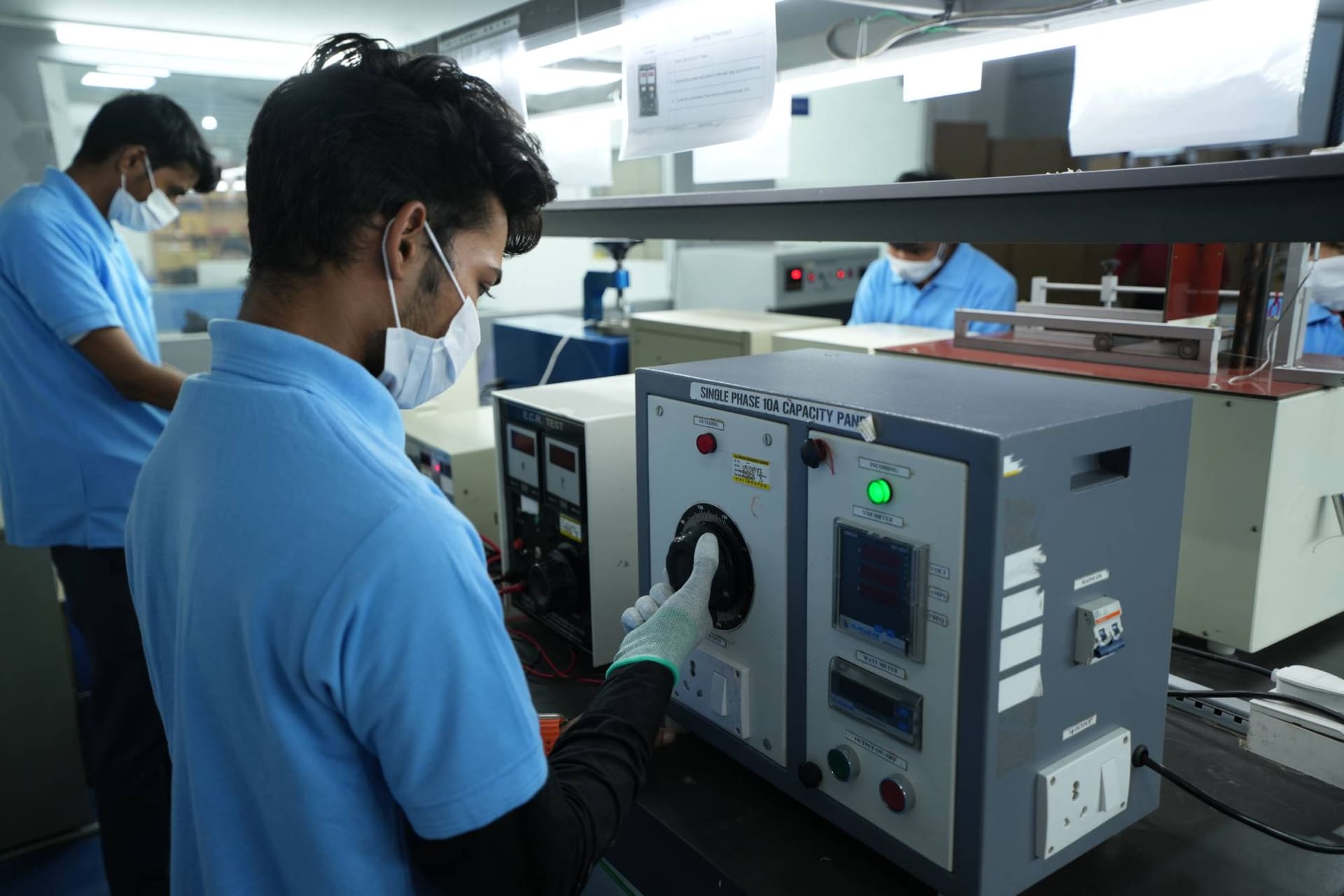
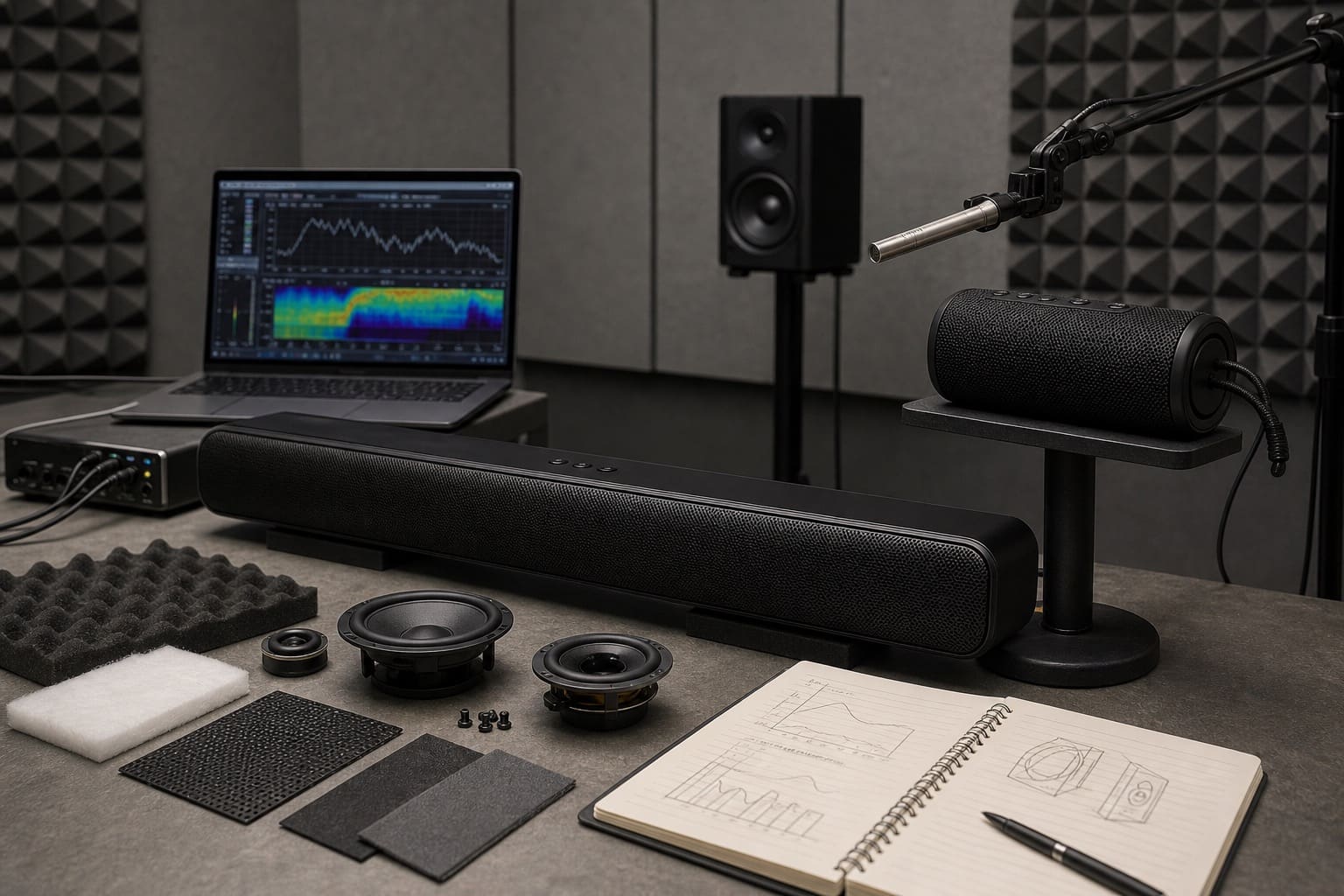
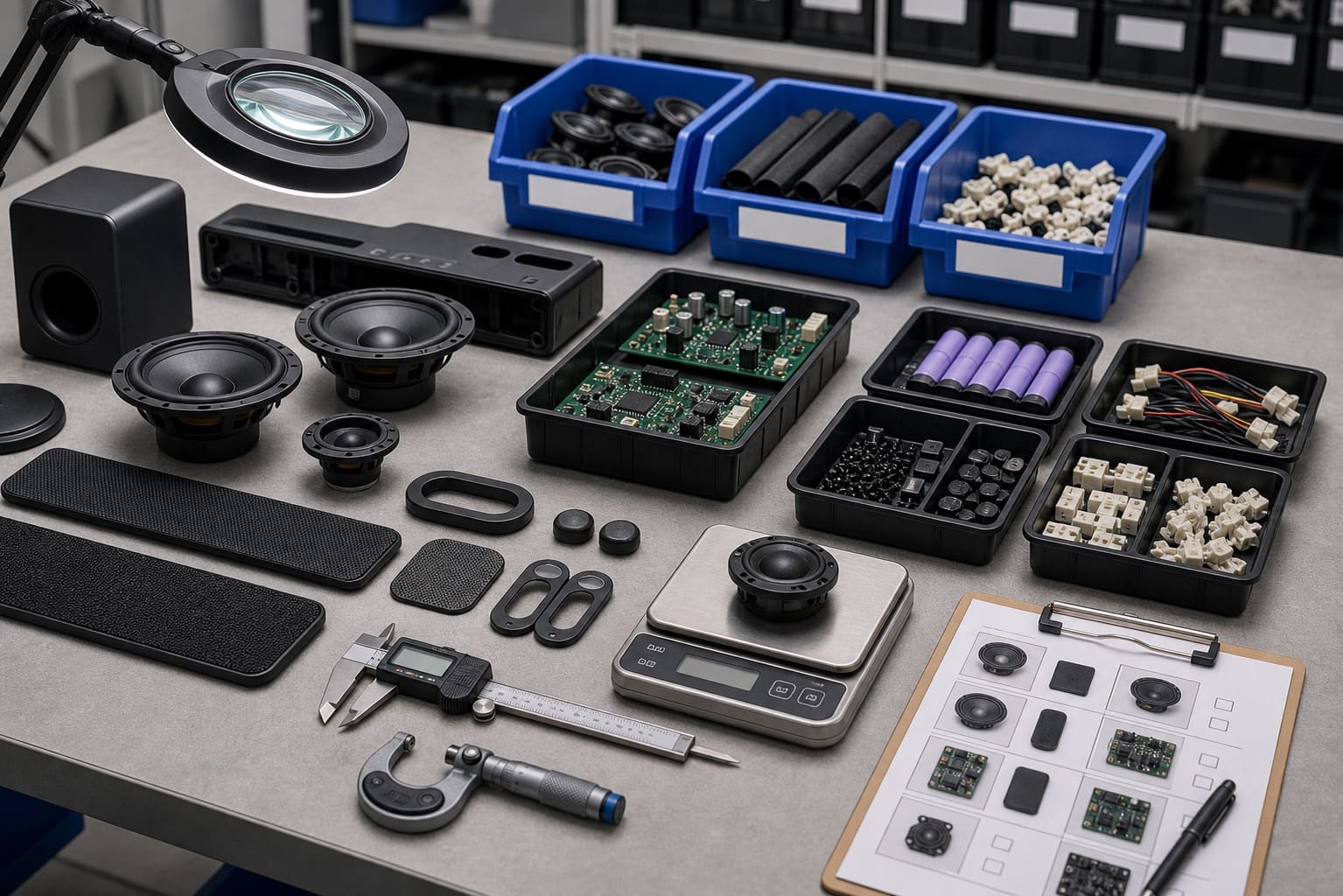
Incoming quality checks verify that parts and materials are ready for production before they enter the build flow. This includes mechanical parts, drivers, PCBs, cable harnesses, batteries, adapters, remotes, grilles, cabinets, packaging materials, hardware, and other product-specific inputs.

Audecy inspects incoming material against defined acceptance criteria. Teams check condition, quantity, visual quality, fit, labeling, documentation, and critical dimensions or functional characteristics where required.

When material does not conform, it is segregated, documented, and reviewed through a controlled non-conformance route. This keeps questionable parts out of production and gives purchasing, stores, suppliers, and quality teams a clear record for action.

  • Inspection of audio drivers, PCBs, cabinets, grilles, cables, adapters, remotes, batteries, and packaging materials.
  • Checks for quantity, labeling, visible damage, cosmetic quality, fit, dimensions, and functional readiness.
  • Non-conforming material segregation with documentation and supplier communication where needed.
  • Incoming records that support traceability before parts are released to production.

Gate

Material is checked before it enters production so avoidable defects are contained early.

Evidence

Inspection findings are recorded for supplier follow-up, acceptance decisions, and future review.

Control

Rejected or held material is separated from usable stock to avoid accidental use.
In-process Stage

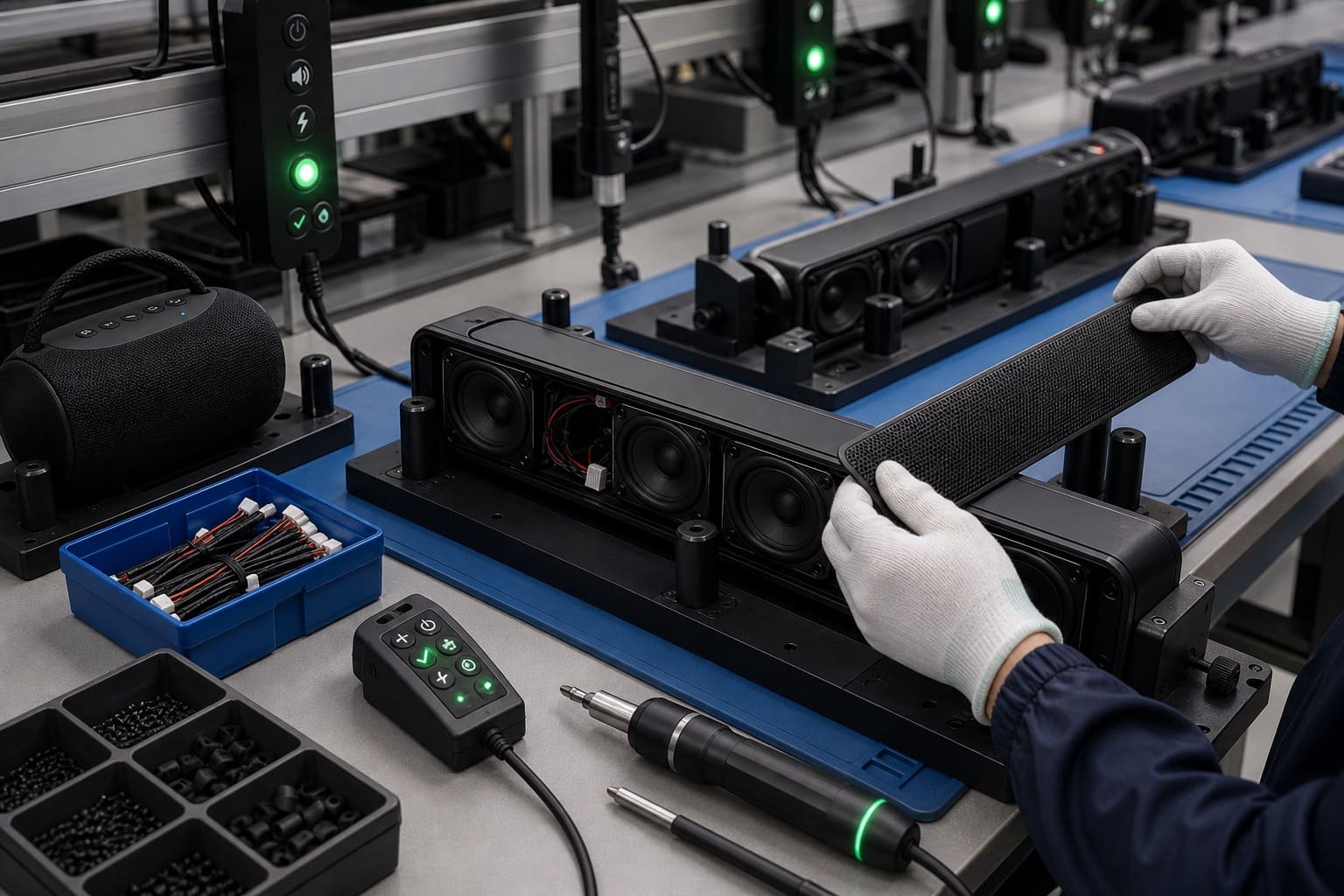
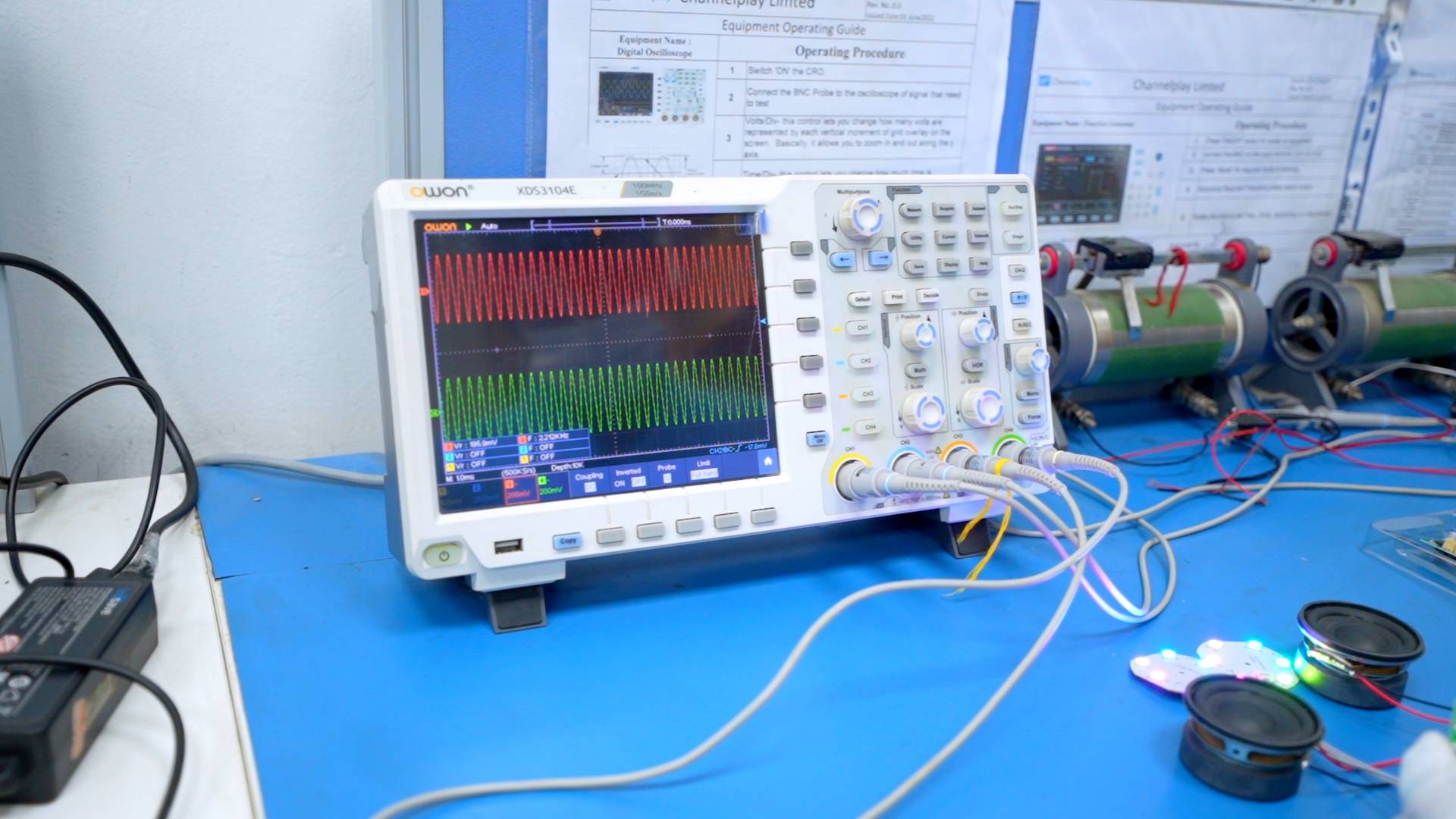
In-process quality assurance verifies that products are being built correctly while the work is still visible and correctable. Audecy checks assembly behavior, operator workmanship, fastening, cable routing, seals, grilles, labels, button movement, cosmetic finish, and subassembly status during the build flow.

The process is designed to catch issues before final test. If a defect is found, the affected material or unit is isolated, documented, and routed for rework or review instead of continuing through the line.

For audio products, in-process control protects both performance and appearance. A small assembly miss can create buzz, rattles, intermittent connection, control problems, poor fit, or visible quality concerns.

  • Line checks for cabinet assembly, driver mounting, wiring, connector seating, grille fit, labels, and cosmetic condition.
  • Operator and quality checkpoints positioned before the product becomes harder to inspect.
  • Documented rework and reinspection for units requiring correction.
  • Process feedback that supports fixture changes, work instruction updates, and supplier action.

Early Detection

Defects are identified while repair is still practical and before downstream work is added.

Defined Status

Units are marked, held, repaired, or released based on inspection outcomes.

Process Feedback

Recurring issues are reviewed for permanent correction, not only individual rework.

Reliability & Endurance Testing

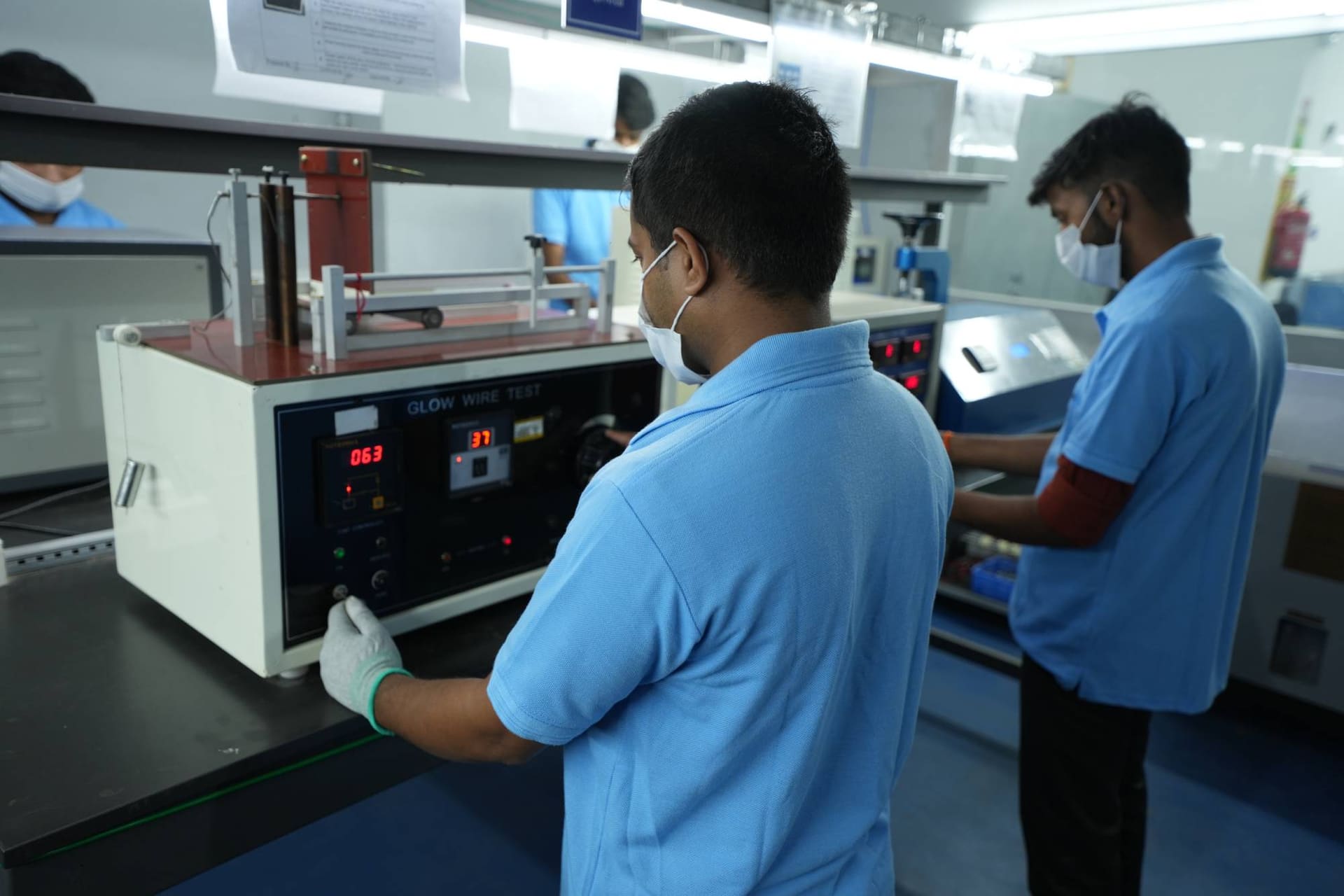
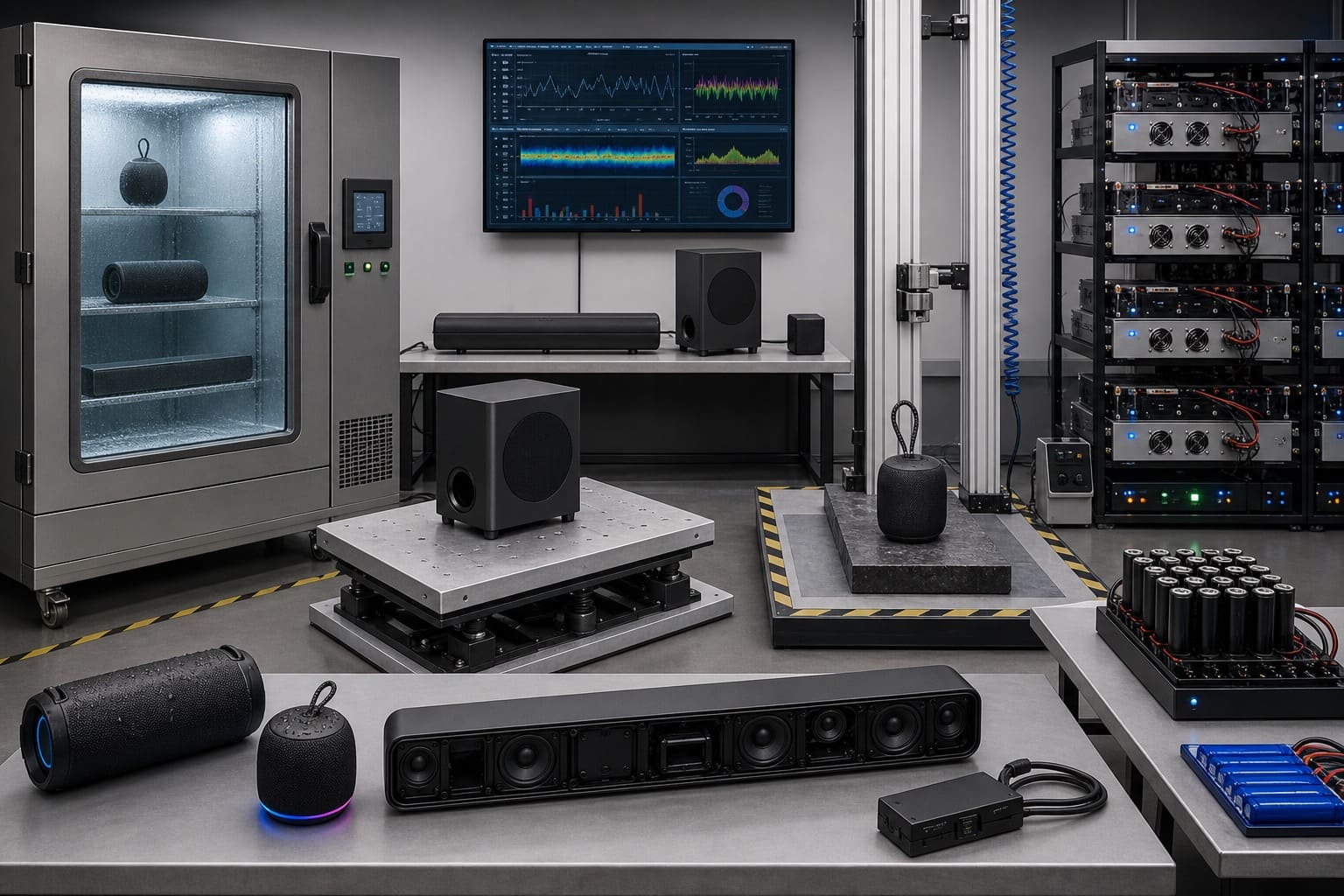
Reliability testing looks beyond basic function. It checks whether the product can continue performing through handling, environmental stress, vibration, repeated use, power cycles, battery or charging behavior, and category-specific operating conditions.

Audecy uses reliability planning to uncover weak points that may not appear during a quick functional check. Audio products can be sensitive to cabinet construction, connector stability, heat, moisture, battery behavior, switch life, grille movement, and mechanical looseness.

Findings from reliability testing are useful only when they lead to correction. The process connects test observations back to design, component selection, supplier quality, assembly method, and final inspection criteria.

  • Reliability planning for powered speakers, soundbars, subwoofers, portable speakers, and accessory systems.
  • Checks around temperature exposure, moisture exposure, vibration, repeated use, power cycles, and operating stability.
  • Review of mechanical joints, connectors, buttons, batteries, adapters, controls, and visible surfaces.
  • Corrective feedback to engineering, sourcing, production, and quality teams before wider release.

Stress

Products are reviewed under conditions that basic function tests may not expose.

Root Cause

Failures are traced back to design, part, supplier, process, or inspection causes.

Prevention

Reliability findings are converted into product or process changes before release.

Final Inspection Stage

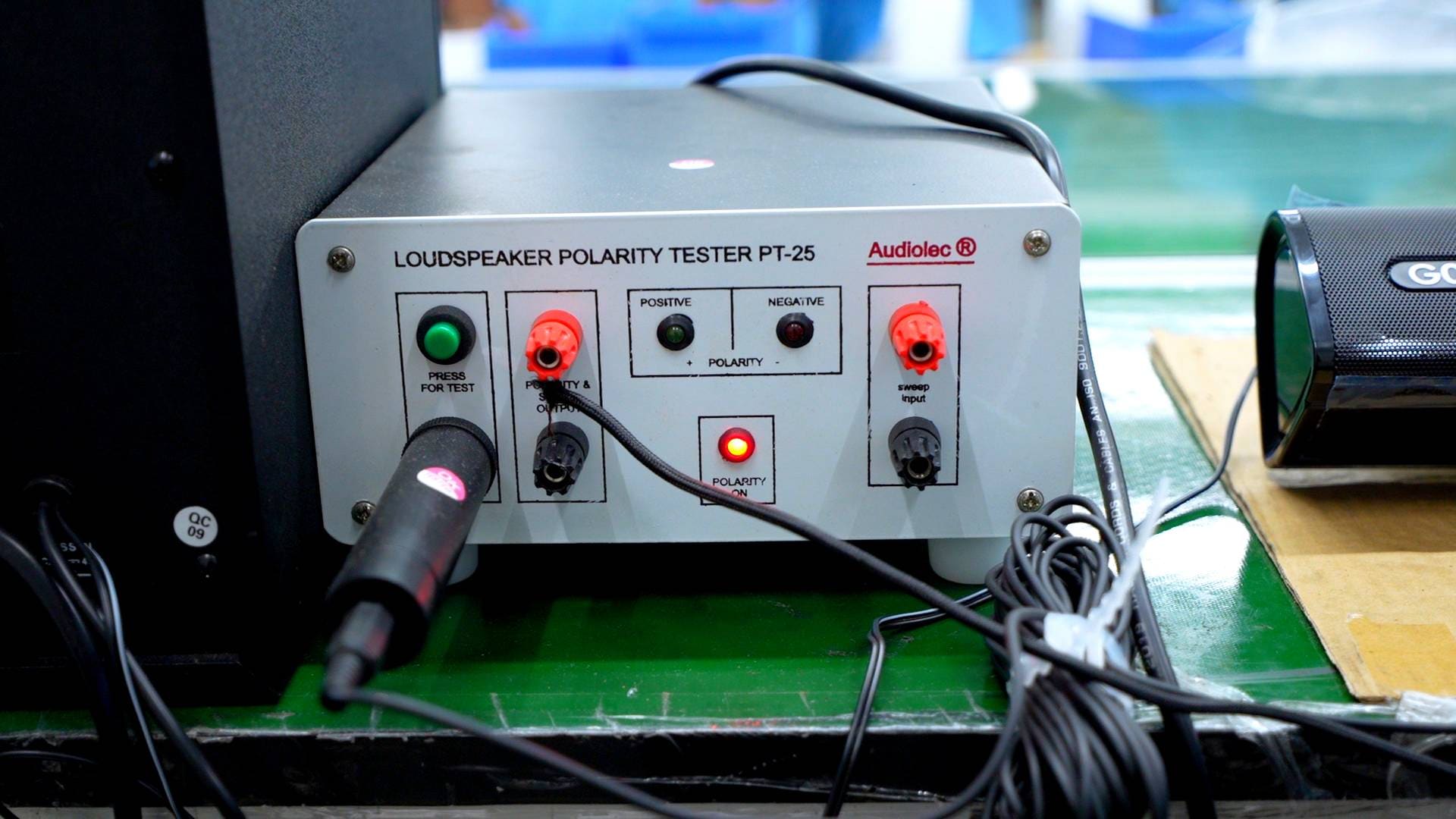
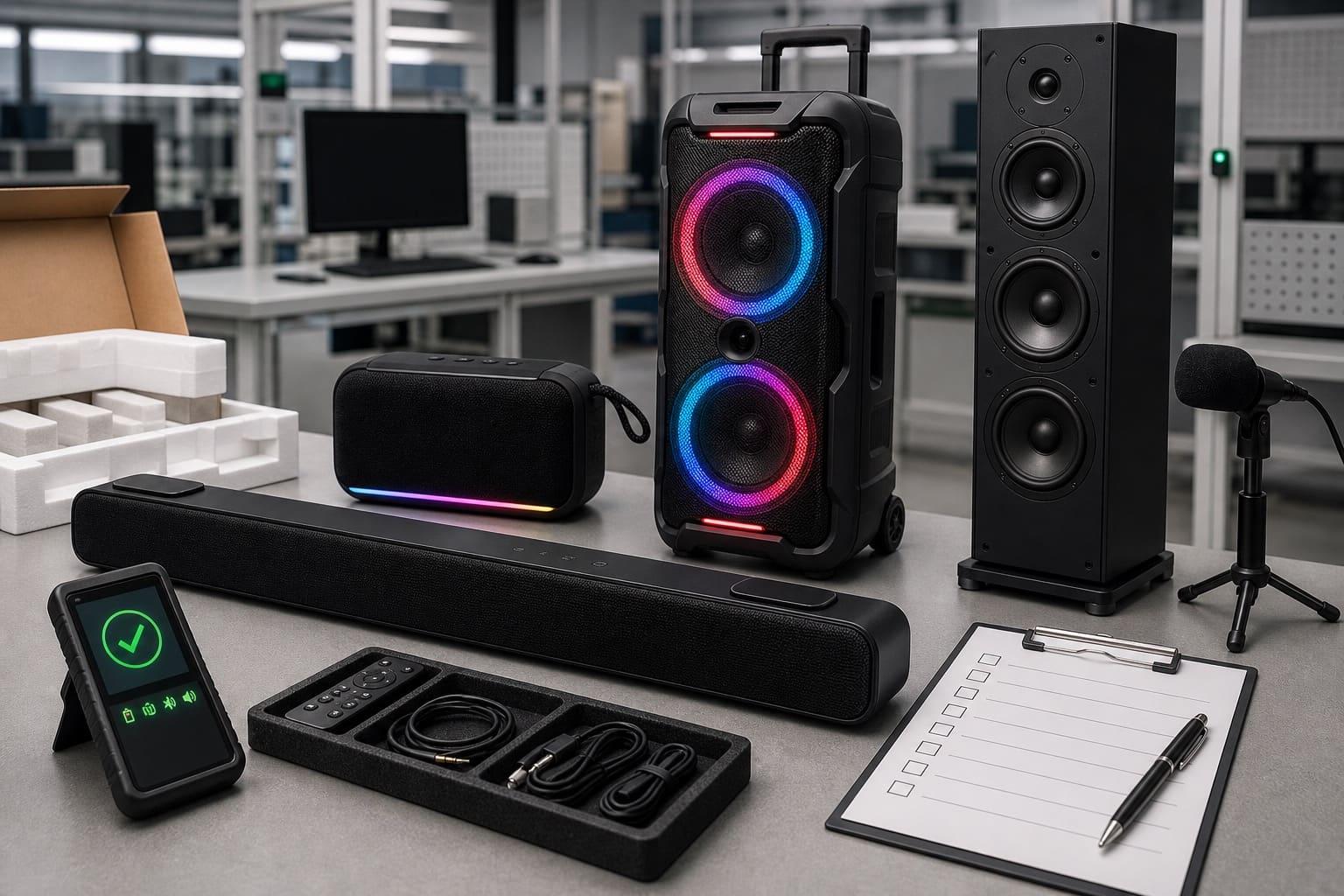
Final inspection is the release gate for finished products. Audecy checks the completed unit for function, appearance, accessory completeness, labeling, packaging readiness, and compliance with the product's approved release criteria.

Any non-conforming finished product is documented and kept out of the release flow. Minor issues that can be corrected move through rework and reinspection. More serious or repeated issues are reviewed for root cause so the production process can be corrected.

The final stage protects the customer experience because it reviews the product as the customer will receive it: complete, clean, functional, packed correctly, and ready for dispatch.

  • Final checks for audio output, controls, connectivity, indicators, accessories, cosmetics, labels, and packaging readiness.
  • Rework and reinspection path for units with correctable issues.
  • Defect documentation for trend review and process correction.
  • Release decision before finished goods move into packing or dispatch.

Release Gate

Finished products move forward only after functional and visual checks are complete.

Customer View

The product is inspected as a complete pack, including accessories and presentation details.

Corrective Action

Repeated issues are reviewed beyond one-off rework so the process can improve.

Certified Processes

Audecy maintains documented ISO management systems and Sedex certification that support consistent quality, environmental responsibility, safe operations, and responsible-business expectations. Certifications do not replace day-to-day inspection, but they provide a structured framework for how processes are documented, audited, corrected, and improved.

The quality assurance system connects incoming material checks, in-process controls, final inspection, non-conformance handling, corrective action, records, and team accountability. This keeps the manufacturing process transparent and easier to improve over time.

For customers, certified processes provide confidence that production is supported by documented controls rather than informal checks alone.

  • Documented process controls that support consistent inspection and manufacturing decisions.
  • Quality records for incoming, in-process, final inspection, non-conformance, and corrective action.
  • Cross-functional ownership across quality, production, engineering, stores, sourcing, and dispatch.
  • ISO and Sedex certification discipline that supports audits, accountability, responsible-business expectations, and continuous improvement.

Documentation

Inspection and correction records support review, accountability, and process learning.

Auditability

Processes are structured so internal and external reviews can trace how decisions were made across ISO and Sedex expectations.

Improvement

Quality data supports corrective action rather than relying only on final inspection.

Ready to build with Audecy?

Let’s align on specifications, timelines, and quality goals for your next audio program.

Explore audio product programs — soundbars, Bluetooth speakers, tower speakers, and party speakers.

Review the technology capabilities behind production visibility, traceability, quality gates, and dispatch control.

Start a project